
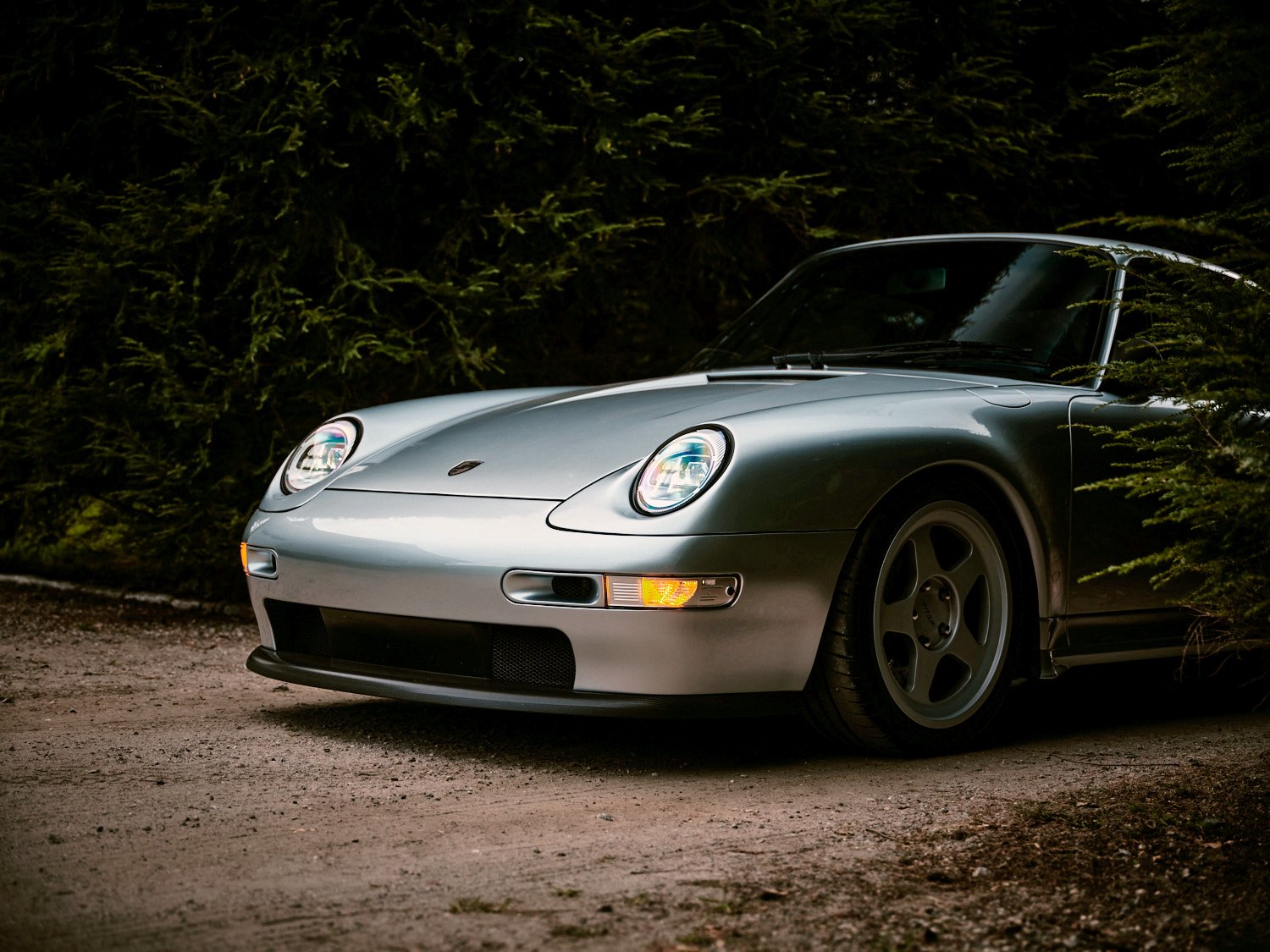
INTRODUCING SOMETHING WITH PURPOSE
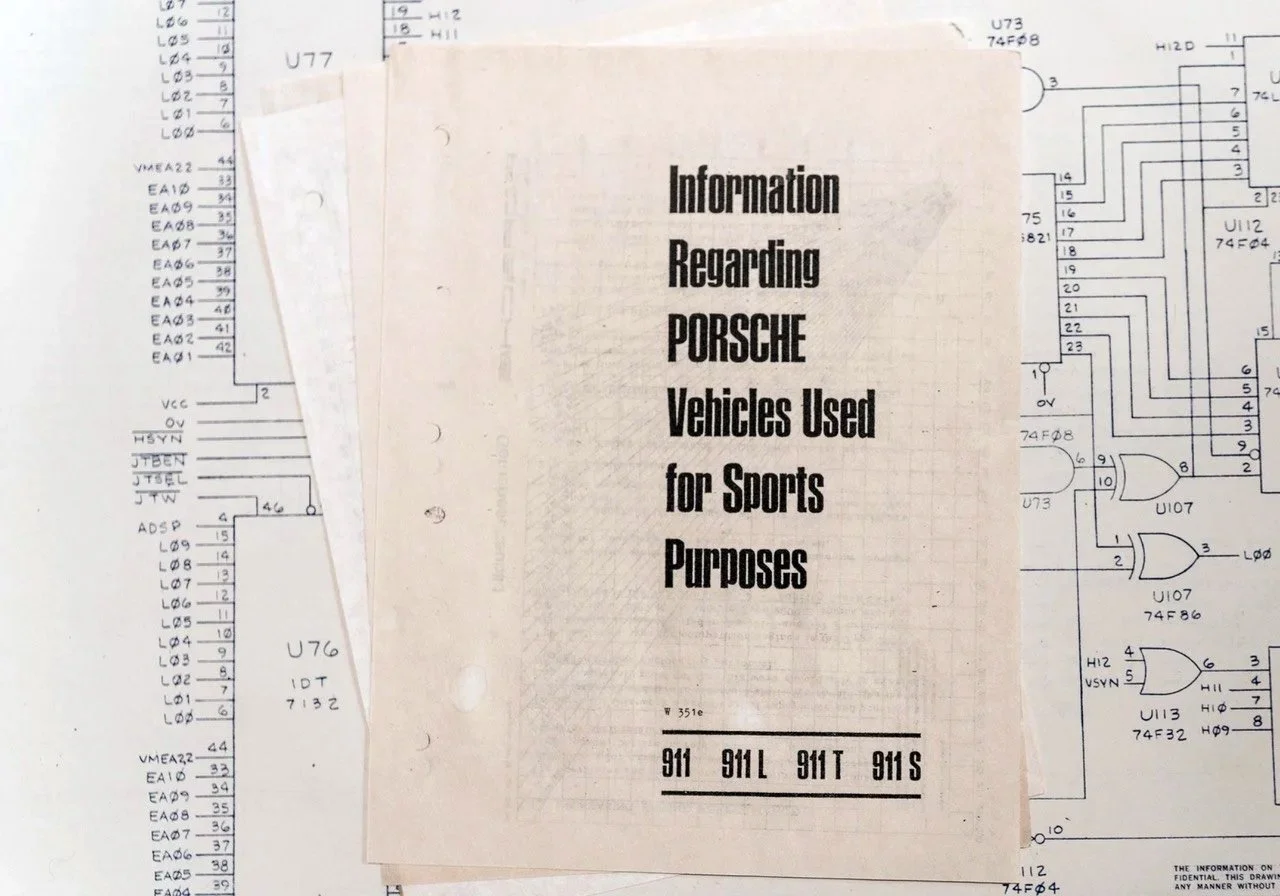
ZURLINDEN presents the first of a new series of models inspired by the 1968 factory book, “Information Regarding PORSCHE Vehicles Used for Sports Purposes.”
An homage to the factory, its parts, and the ethos that created the original 911, the ZURLINDEN SP Program is a pure experience and a modern advancement of that form –
THE NEW 911 SPORTS PURPOSE
NOT A RESTOMOD.

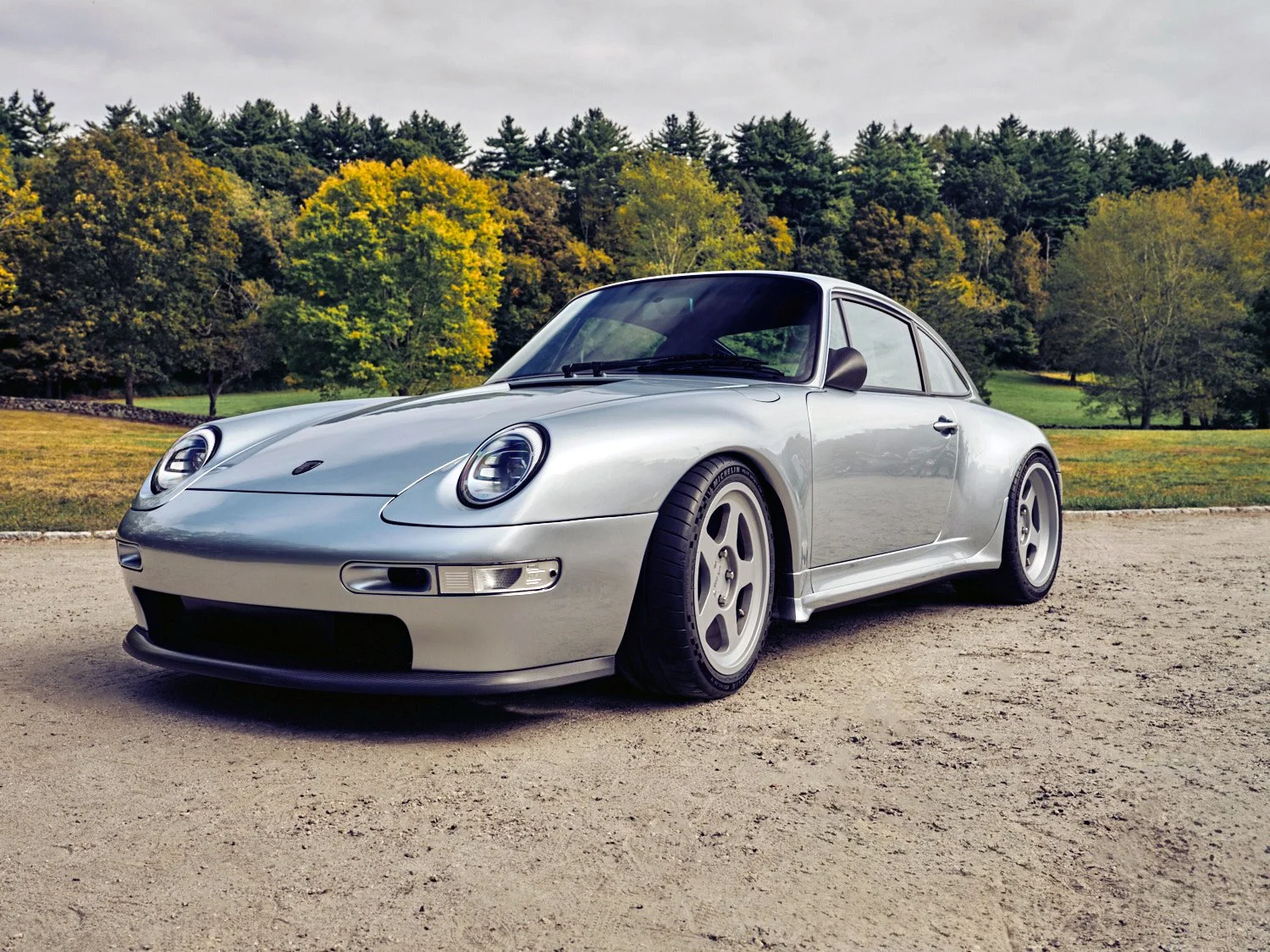
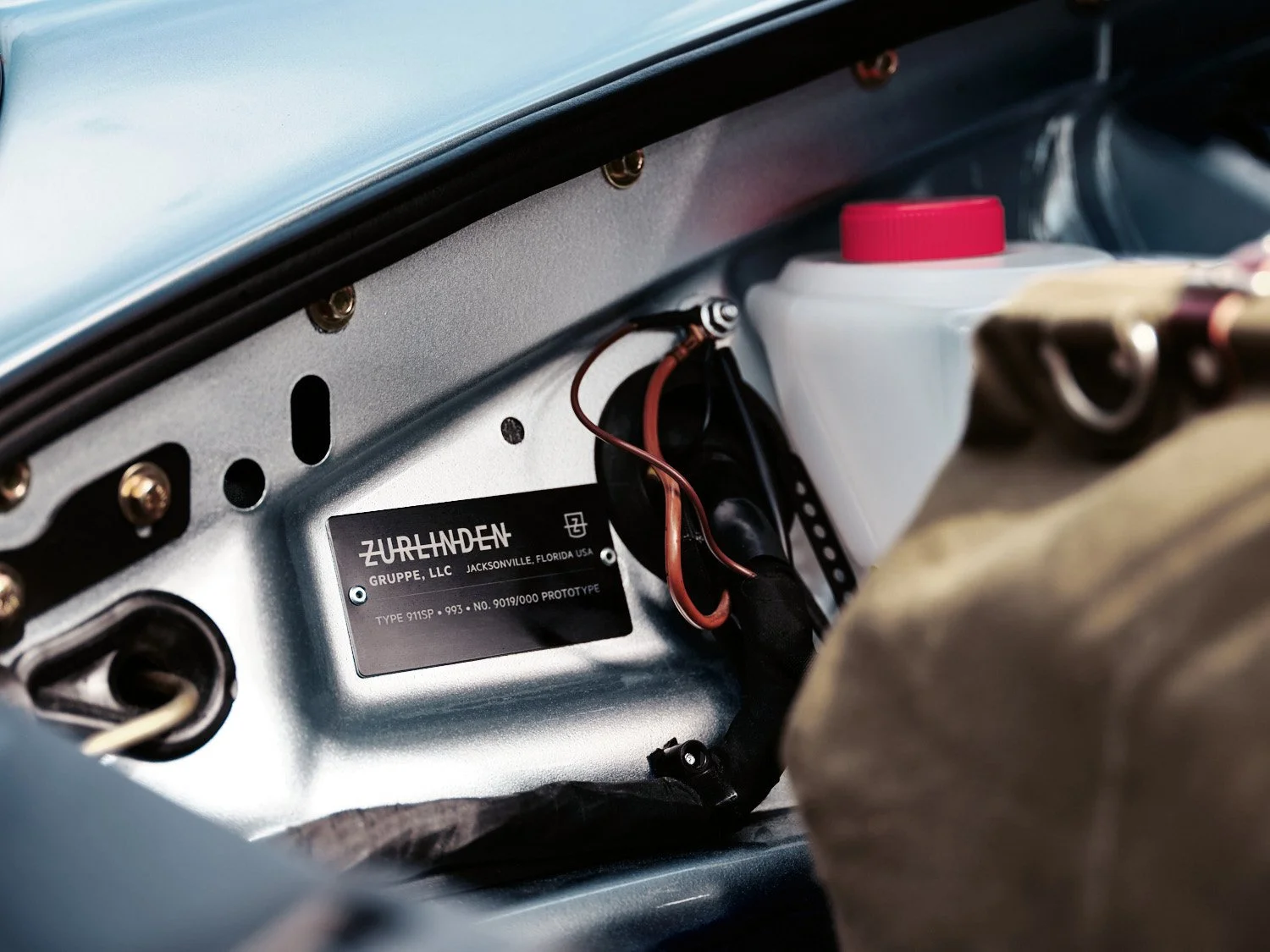
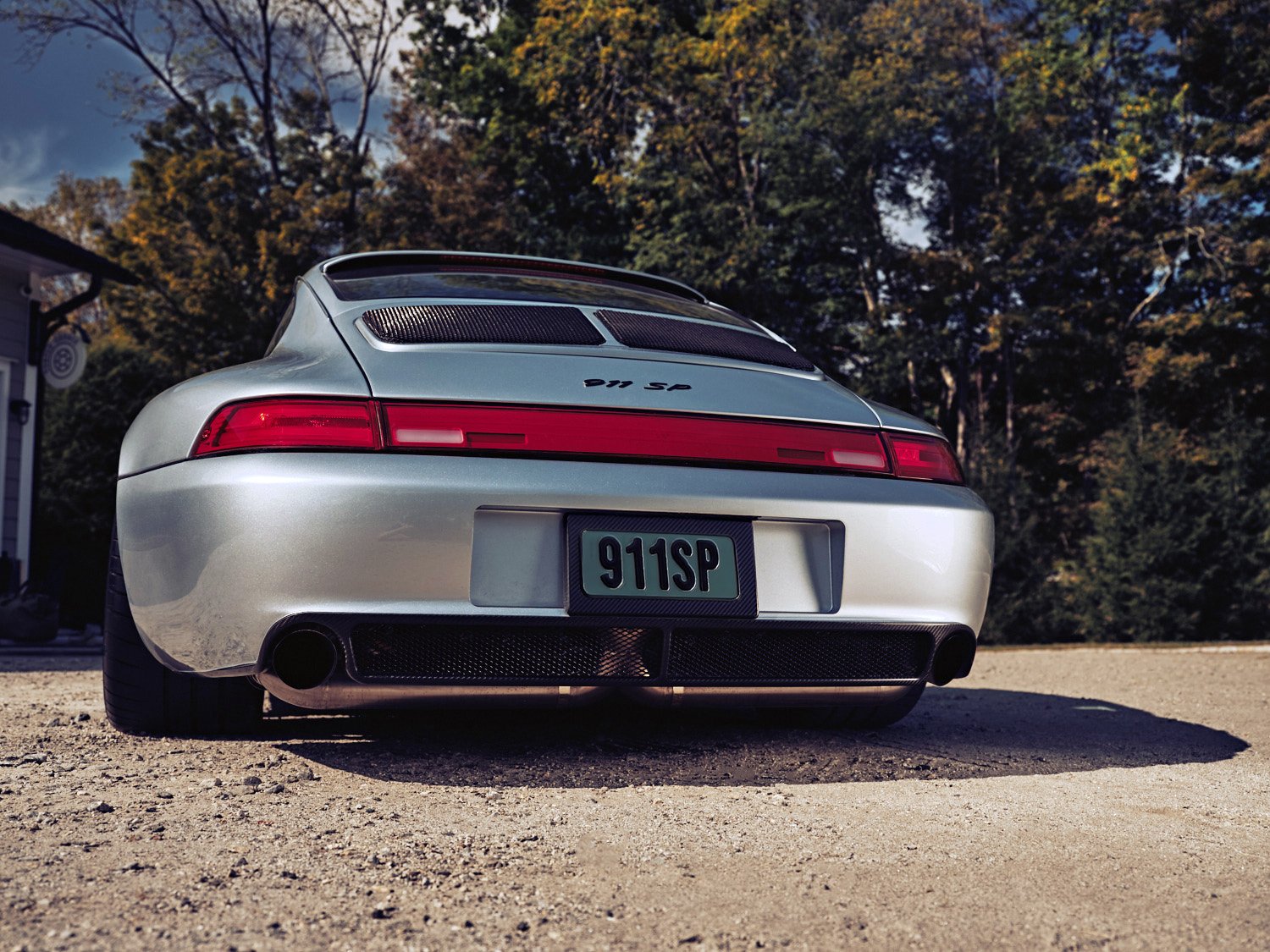
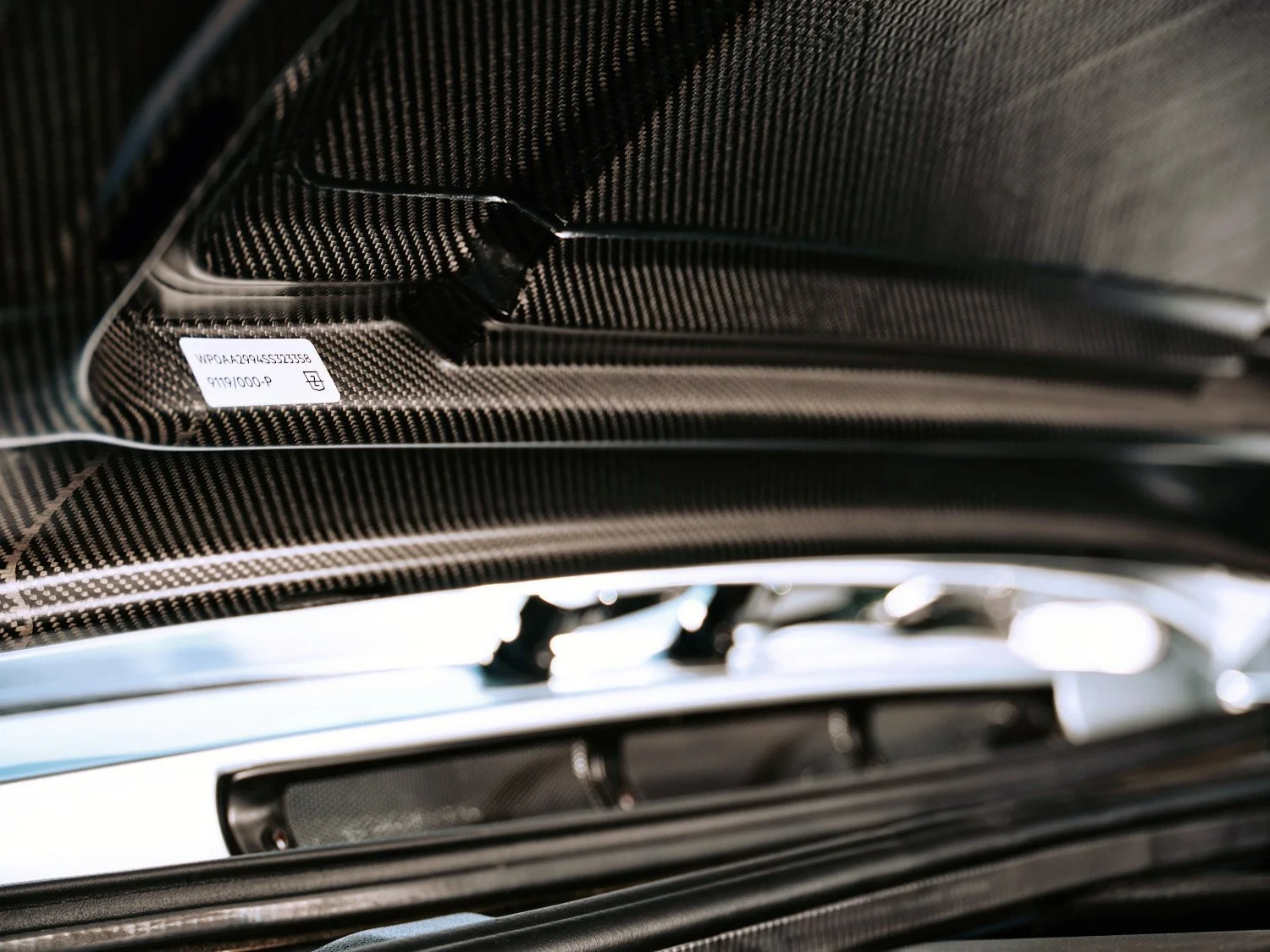
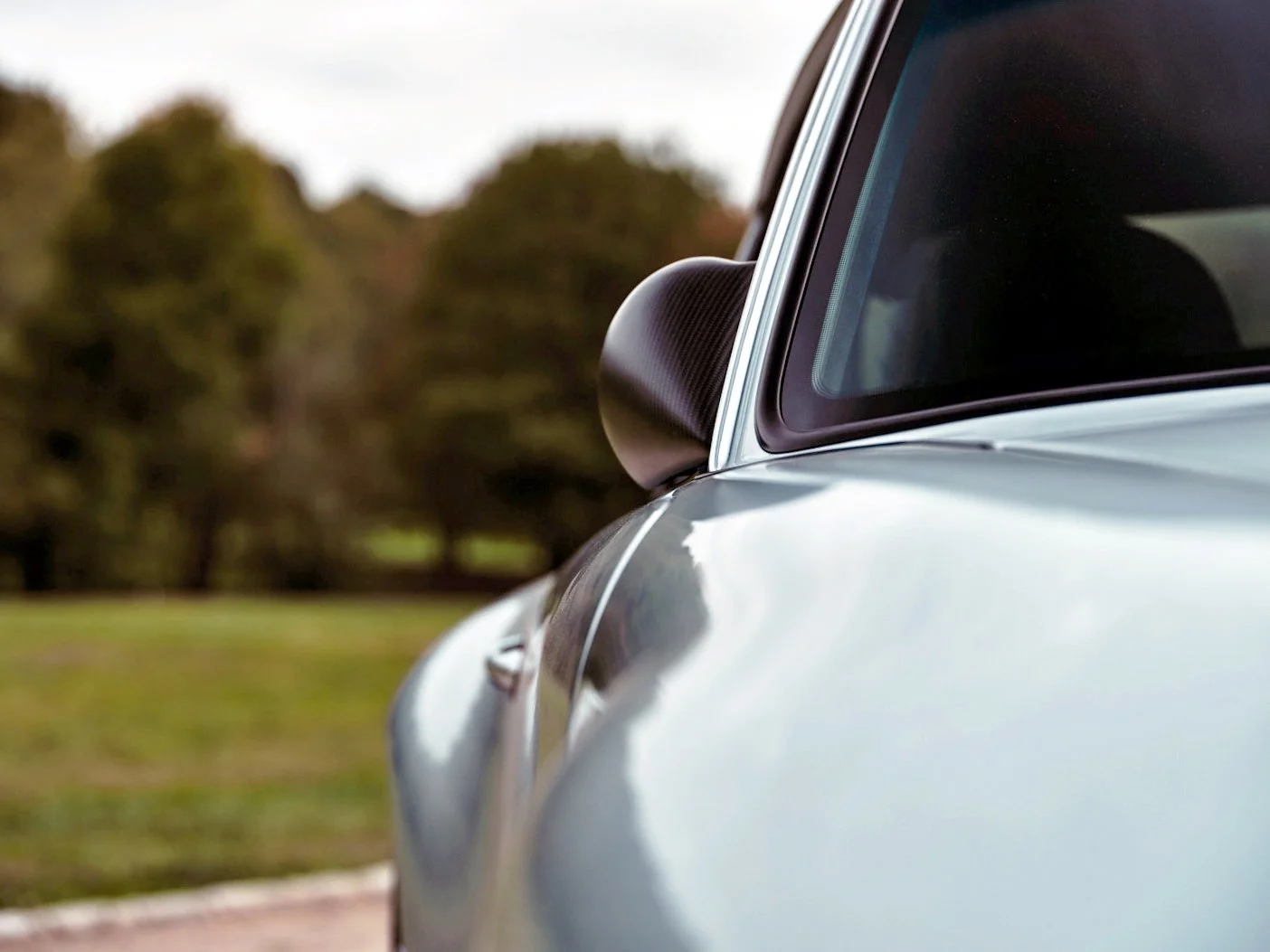
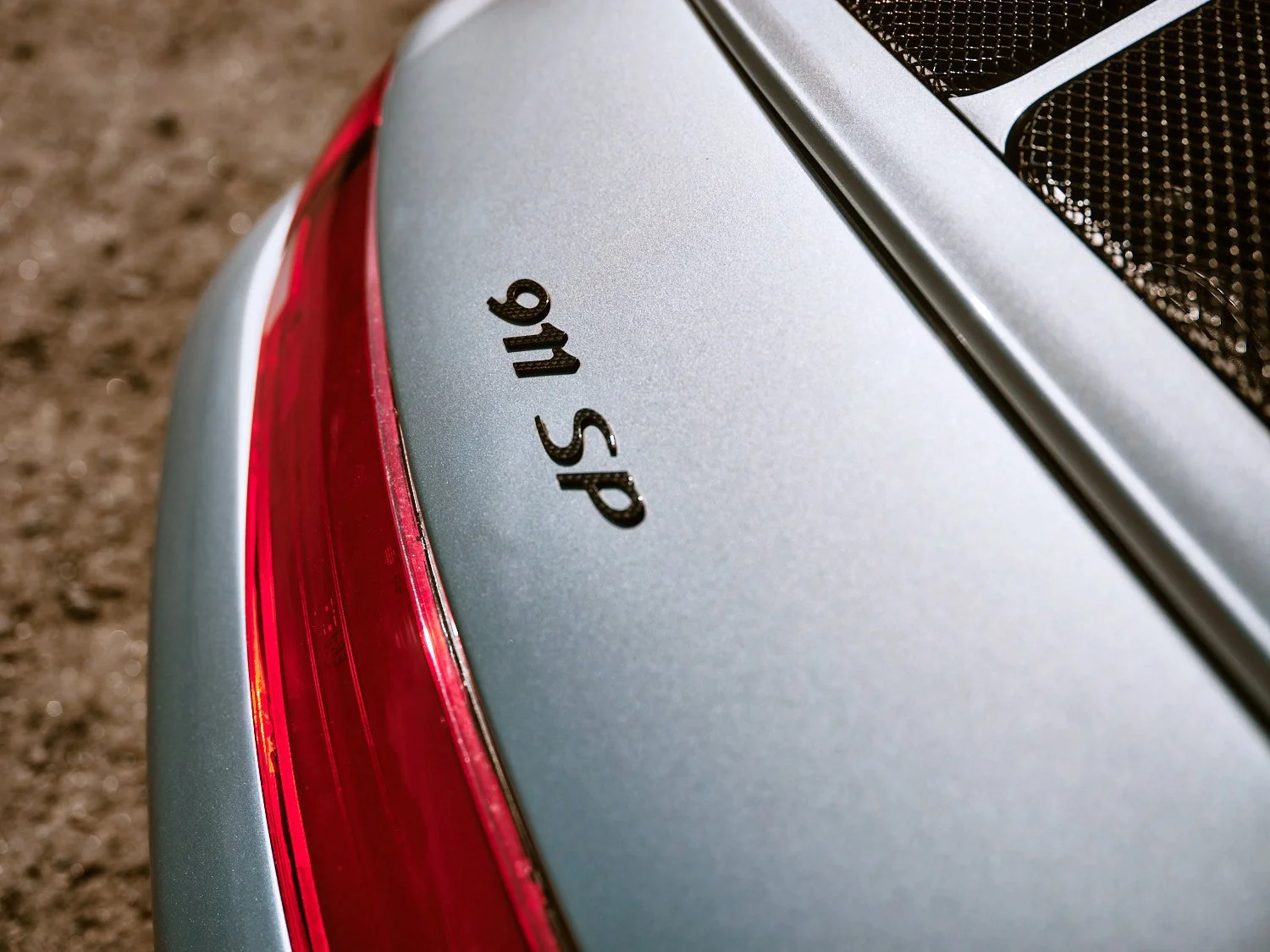
The 911 SP
The 911 SP is not a restomod. It is not a tribute. It is a new model — one that never existed, but should have.
The SP program begins with a question: if Porsche's Weissach engineers had been given one more variant to build during a model's production run — unconstrained by homologation rules, production economics, or series scheduling — what would they have made?
To answer that, Zurlinden works within a strict creative discipline: the art, the design language, and the engineering vocabulary of an SP are drawn from the Porsche parts bin and motorsport program of its generation. The visual identity belongs entirely to its own era. The car looks, feels, and presents as a model that could have rolled off the factory floor during its production run — it simply occupies a place in the lineup that Porsche never filled.
Where ZG does depart from strict period correctness, it does so deliberately and invisibly — in the places where modern technology makes the car meaningfully safer, more reliable, and more capable on today's roads. These exceptions are never cosmetic. They are never obvious. And they are always in service of the driving experience.
This is what separates the SP from every other builder in the space. Where others reach forward for modern components to change the character of a vintage car, Zurlinden reaches inward — deeper into the same era — to find what was already there but never combined in quite this way. And where it reaches forward, it does so only to make the car better to drive, not different to look at.
(Standard) 3.8-liter 360-hp 7,000rpm
(Optional) 4.1-liter 390-hp 8,000rpm
Close-ratio 6-speed with limited-slip differential
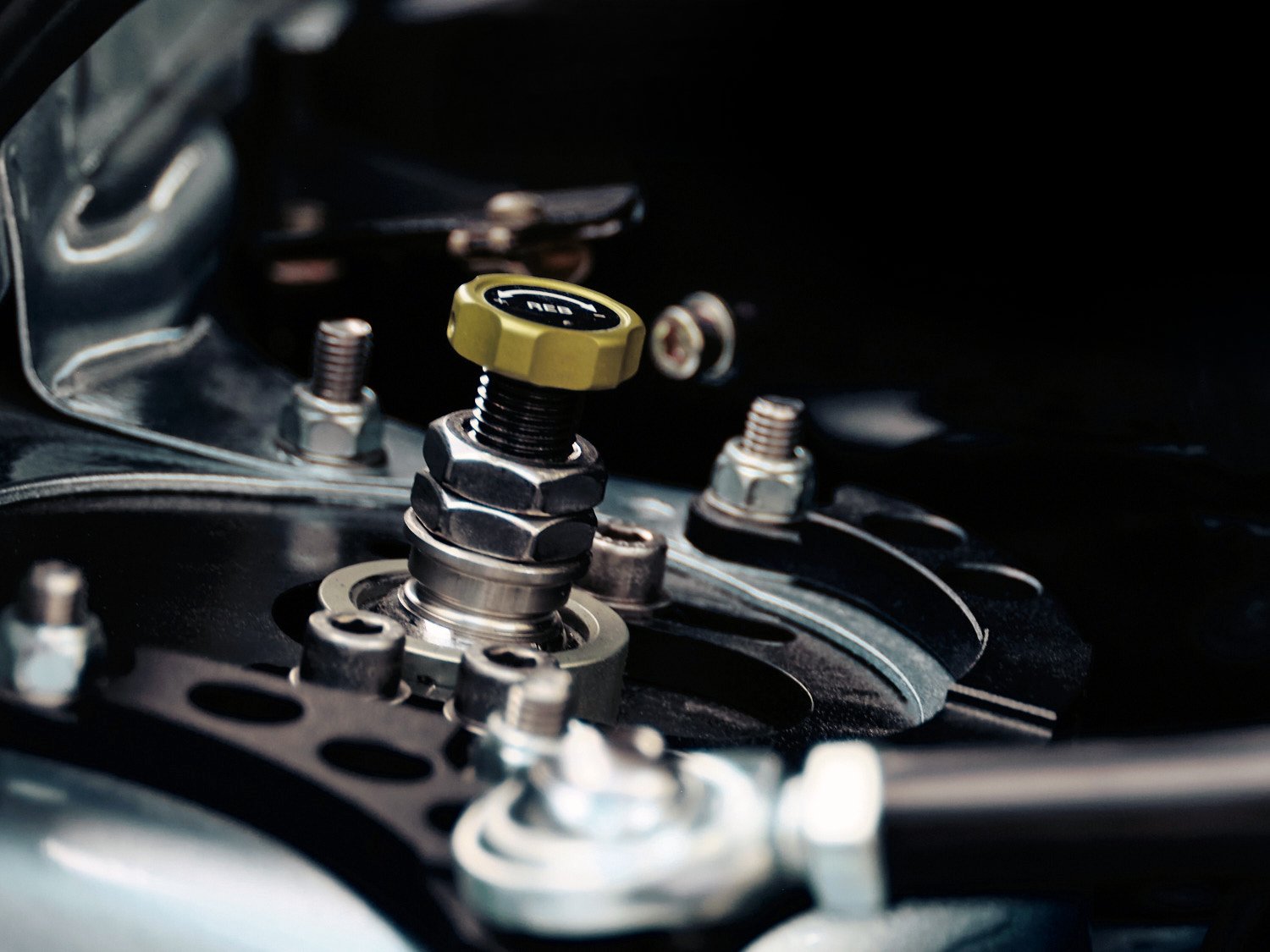
4-way adjustable suspension
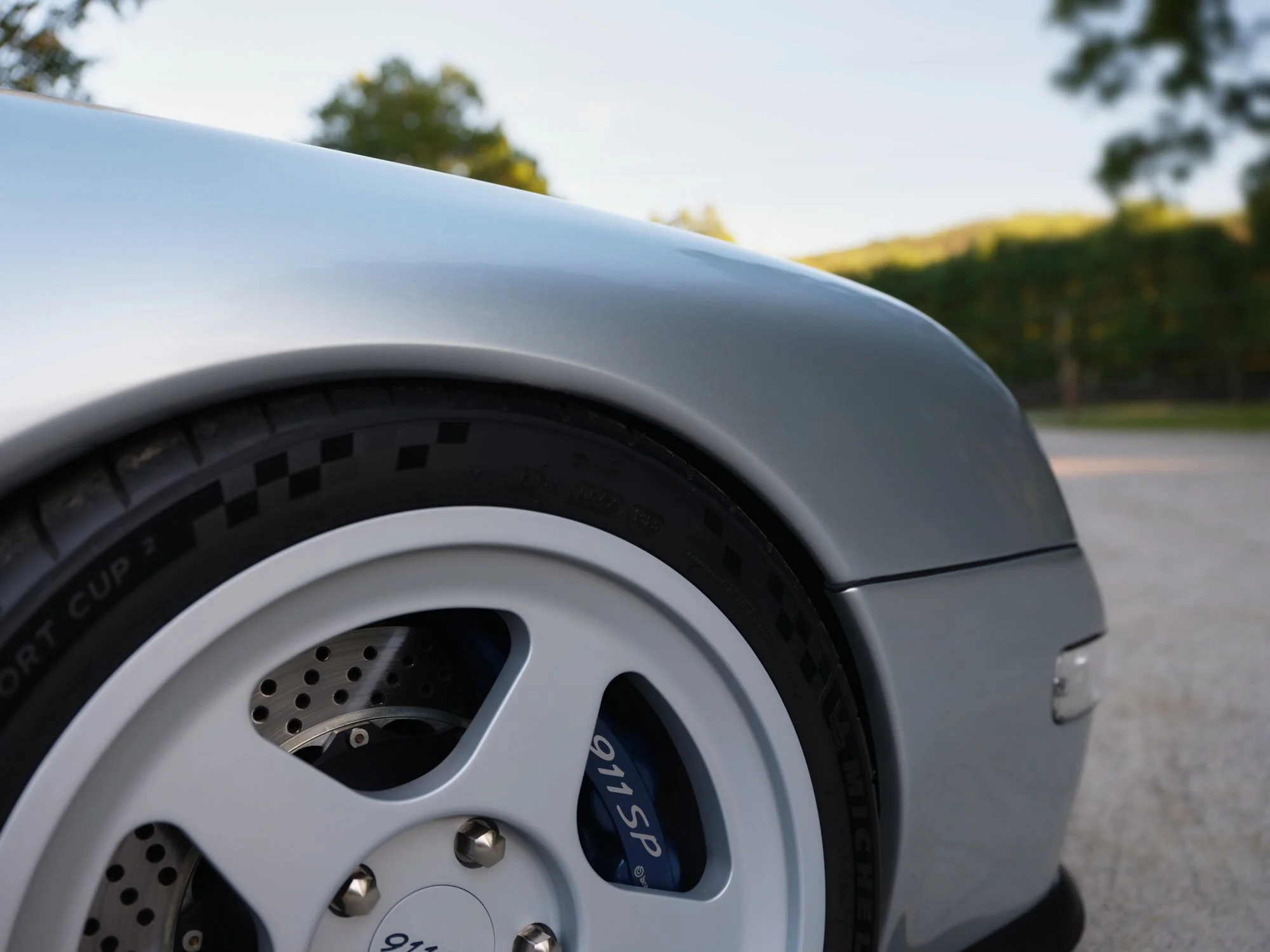
Oversized brakes
Autoclave carbon fiber
Titanium roll bar & chassis reinforcements
FIA-approved seats
200 lbs+ weight reduction
The factory book
The name itself is a declaration of intent. "Sports Purpose" comes from the 1968 factory publication Information Regarding Porsche Vehicles Used for Sports Purposes — the original document in which Porsche laid out how its production cars could be prepared for competition. It was not a racing manual. It was a philosophy: that every 911 was, at its core, a sports car, and that with the right preparation, any of them could fulfill that purpose at the highest level.
The ZG 911 SP carries that philosophy forward. It is a 911 prepared for sports purposes — designed within the visual and artistic vocabulary of its era, then quietly and invisibly equipped with the engineering refinements needed to make it genuinely capable and safe on today's roads. It honors where the 911 came from. It acknowledges where driving happens now.
That is the SP ethos. Era-correct in its art. Modern where it matters. The model that should have been.
ERA-CORRECT BY DESGIN
The discipline is applied everywhere. Every material, every form, every engineering choice on the 993 SP traces back to something Porsche was already happening during the 993 generation — either in the production line, the GT2 program, the Carrera Cup, or the GT1 campaign that defined the era.
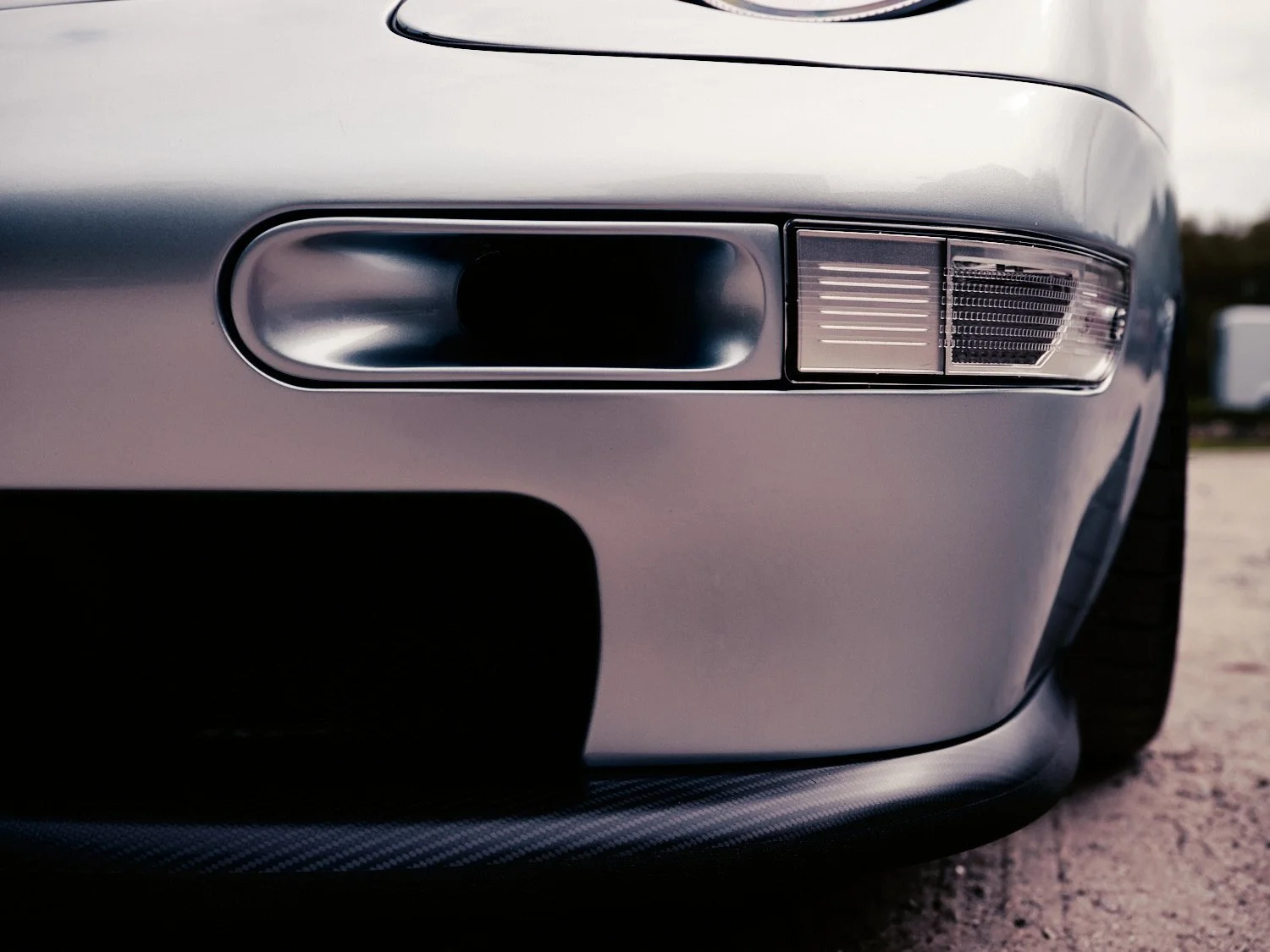
The front bumper and splitter draw from the 993 GT1 — the factory's most extreme expression of the 993 platform. When Porsche needed maximum aerodynamic performance from the 993 body for Le Mans in 1996, Norbert Singer's team reshaped the front end for higher downforce and better airflow management. The 993 SP front bumper and splitter are ZG's own interpretation of that same design intent — aggressive, functional, and unmistakably of the era. Not a replica of the GT1, but a road car informed by the same engineering priorities that produced it.
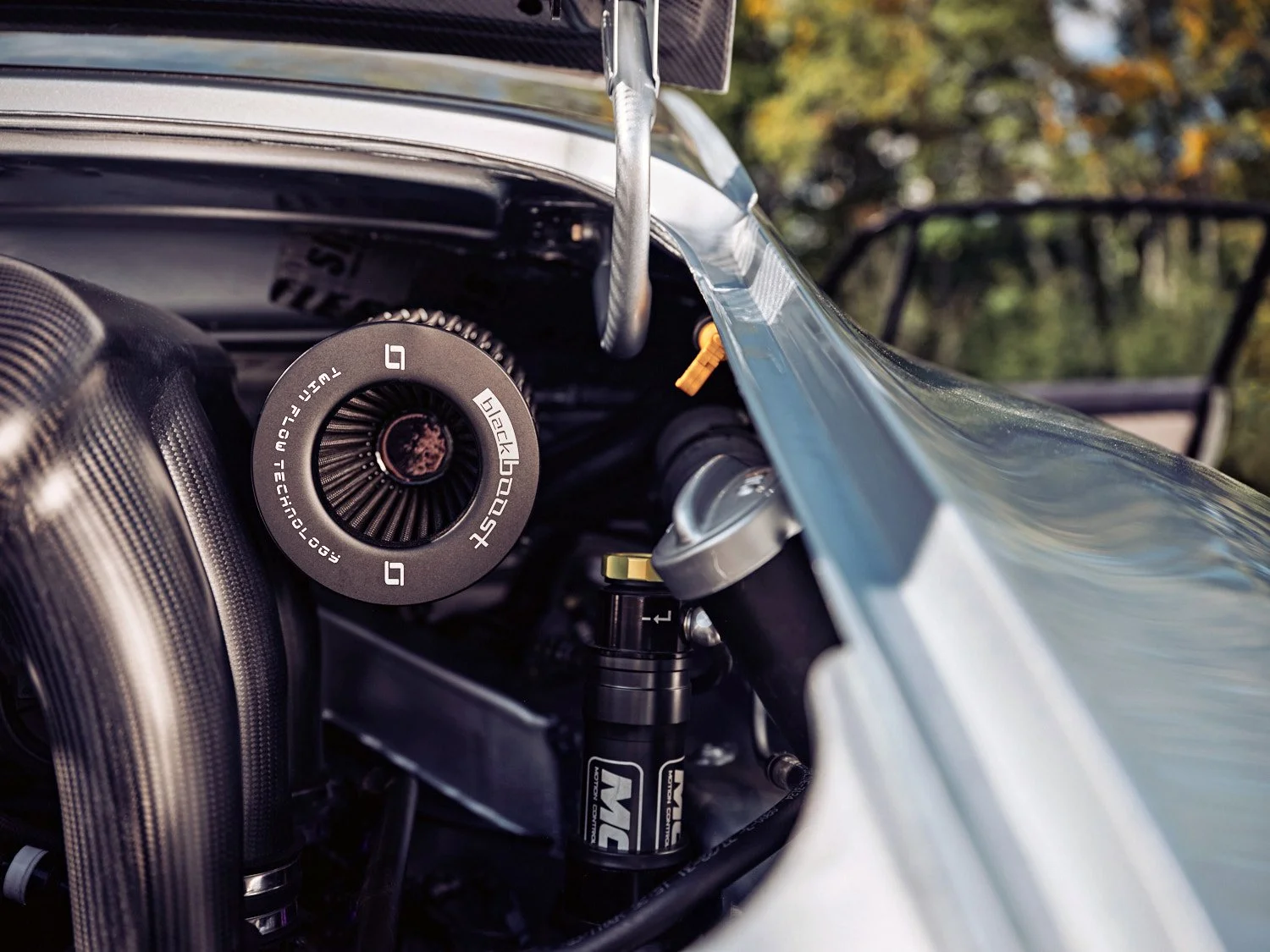
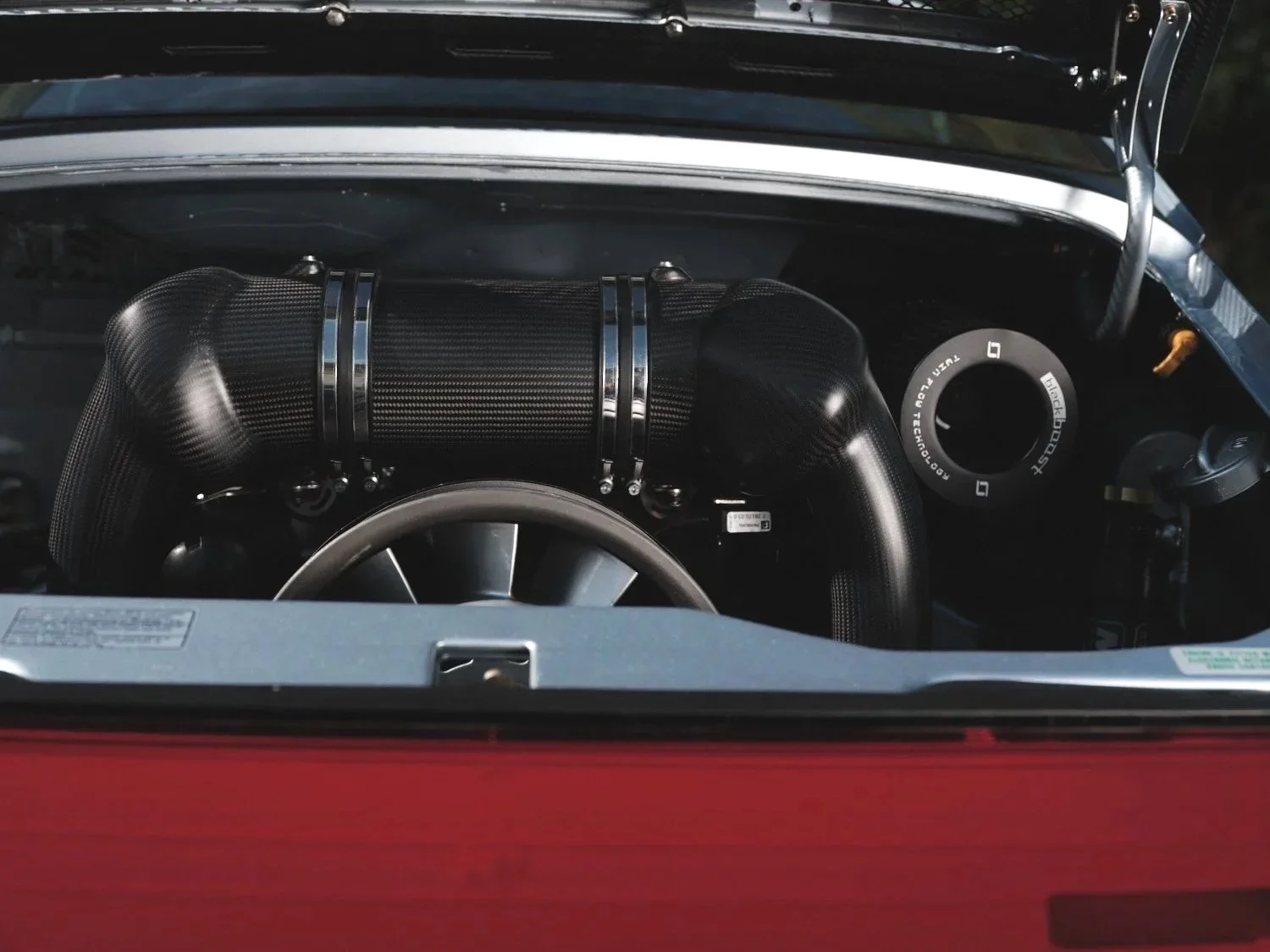
The intake plenums follow the same logic. During the 993 generation, the factory used cast aluminum intake plenums to feed the flat-six. They were effective, proven, and appropriate to the technology of the time. ZG's SP program doesn't replace them with aftermarket throttle bodies from a later decade — instead, it creates autoclave carbon fiber evocations of the same parts. The form and function remain era-correct. The material is advanced through ZG's ACF process, delivering a significant weight reduction while honoring the original engineering intent. The aluminum plenum becomes a carbon fiber plenum. The shape stays. The spirit stays. The weight drops.
The same principle governs every visible component: the close-ratio six-speed gearbox, the limited-slip differential, the oversized brakes, the titanium roll bar and chassis reinforcements — all drawn from the performance catalog that existed within the 993 ecosystem. Titanium? Porsche Motorsport was already using it extensively in this era. FIA-approved seats? Standard equipment in the Cup cars of the period. The 3.8-liter and optional 4.1-liter engine specifications build on the displacement and power targets that Porsche's own racing and special-edition programs explored during the 993's production years.
Open the hood, open the door, look at this car from any angle — and nothing would surprise a Weissach engineer who walked the factory floor in 1996. Everything would be recognizable. The only surprise would be that Porsche never built it themselves.
The 993 SP is the first model, not the only one. The SP program is designed to eventually produce a Sports Purpose variant for every major generation of the 911 — each one governed by the same era-correct formula, each one drawing from its generation's own parts bin and motorsport heritage.
The program began with the 993 because this last air-cooled 911 offers the most sophisticated chassis and drivetrain of the air-cooled era — the most capable foundation on which to demonstrate what the SP formula can achieve. Its rigid unibody, multi-link rear suspension, and six-speed transmission give ZG a platform with inherent dynamic sophistication that rewards the SP treatment with a car that doesn't just look purposeful but drives with genuine confidence and precision.
Future generations will follow. Each will be studied on its own terms. The G-body SP will draw from the Group 4 and IMSA programs of its time. A long-hood SP will look to the 911 R, 911 S, and early competition department cars. Each model will answer the same question — what variant would have completed the lineup? — and each will answer it using only the language of its own era.