

NOT ALL CARBON FIBER IS CREATED EQUAL.
Welcome to the growing lineup of Autoclave Carbon Fiber parts made to fit perfectly, enhance performance, reduce weight, and look beautiful.
ZG-ACF parts are manufactured using autoclave-cured prepreg carbon fiber — the same process used by Formula 1, aerospace, and Porsche Motorsport. Most aftermarket carbon fiber is not.
The difference isn't cosmetic. It's structural.
WHAT YOU'RE ACTUALLY PAYING FOR
A wet-layup carbon fiber hood costs $1,500–$3,000. A ZG-ACF hood costs $8,850. Here's why:
The raw material is different. ZG-ACF starts with aerospace-grade prepreg — carbon fiber cloth that has been pre-impregnated with a precisely metered epoxy resin system under factory conditions. This material requires cold storage at -0°F and has a limited shelf life. A wet-layup shop starts with dry cloth and mixes resin by hand at room temperature.
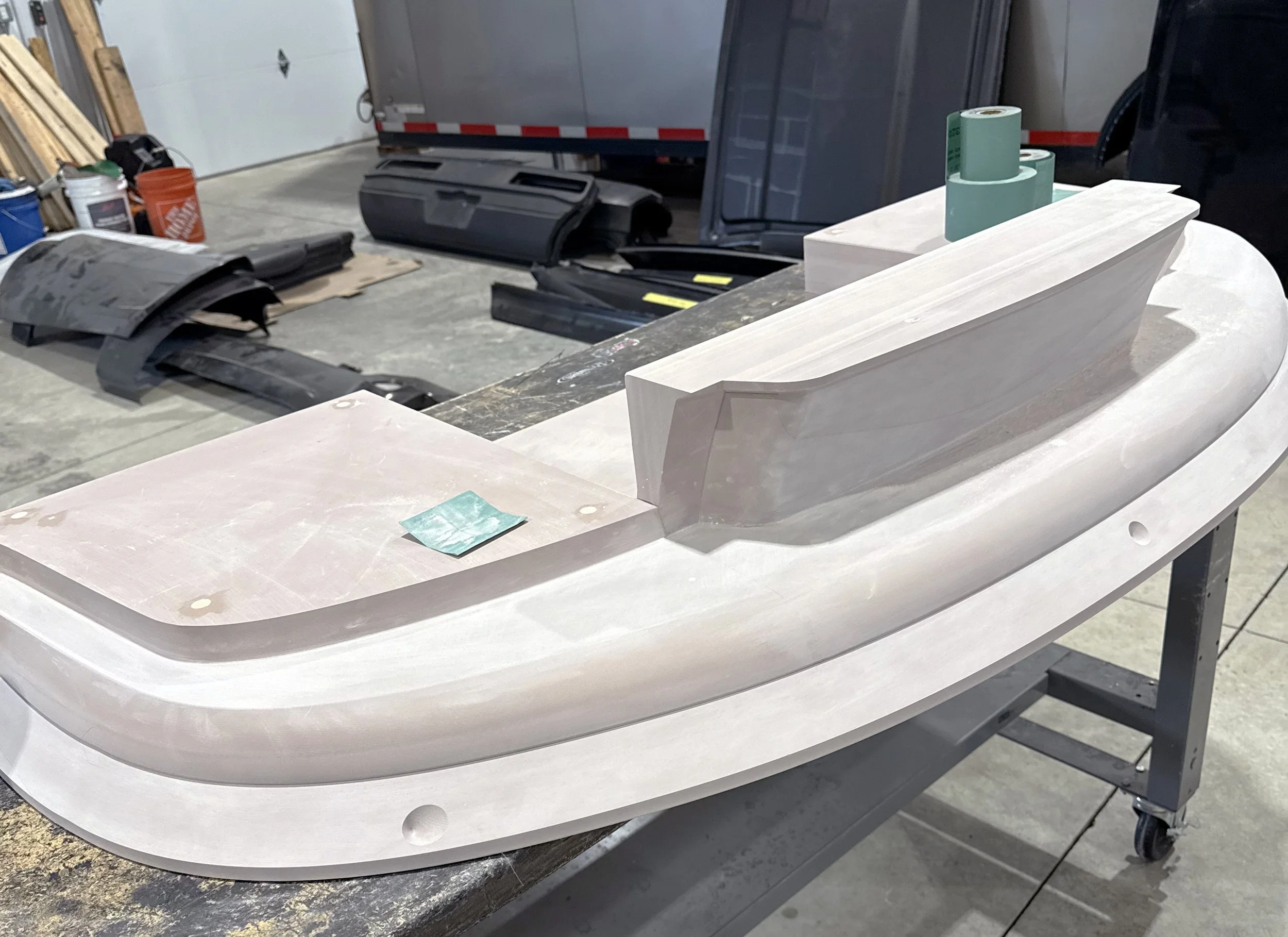
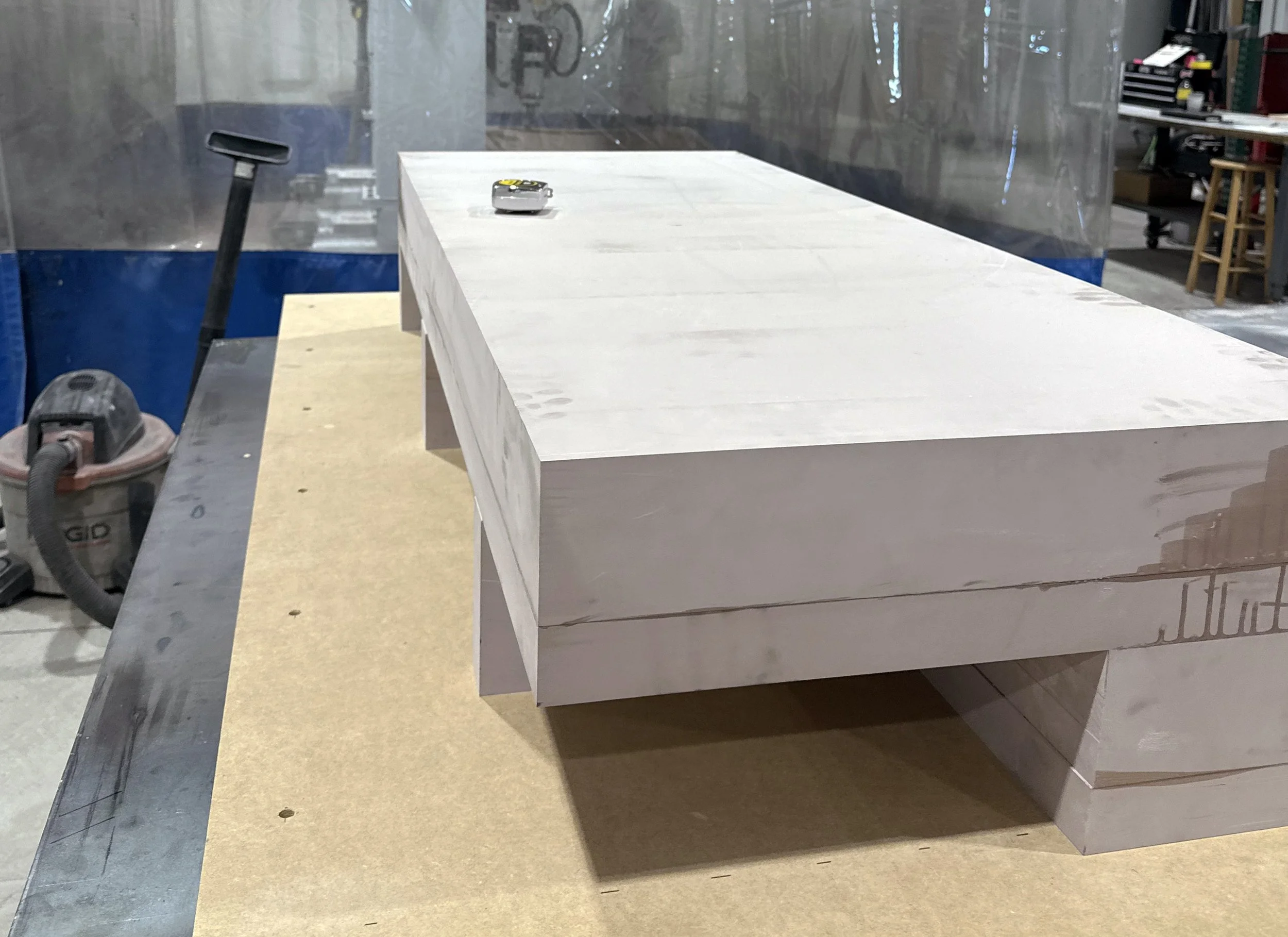
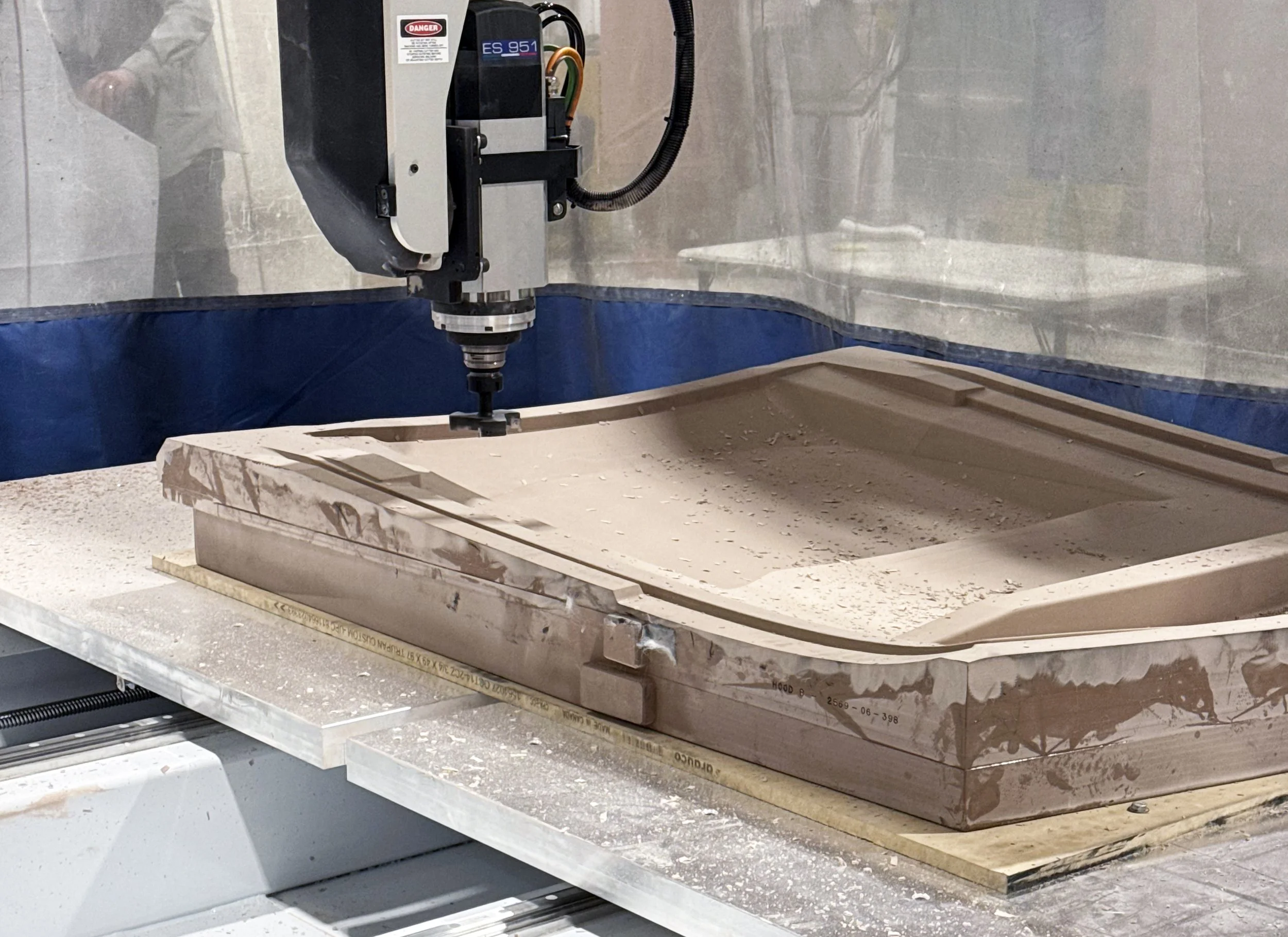
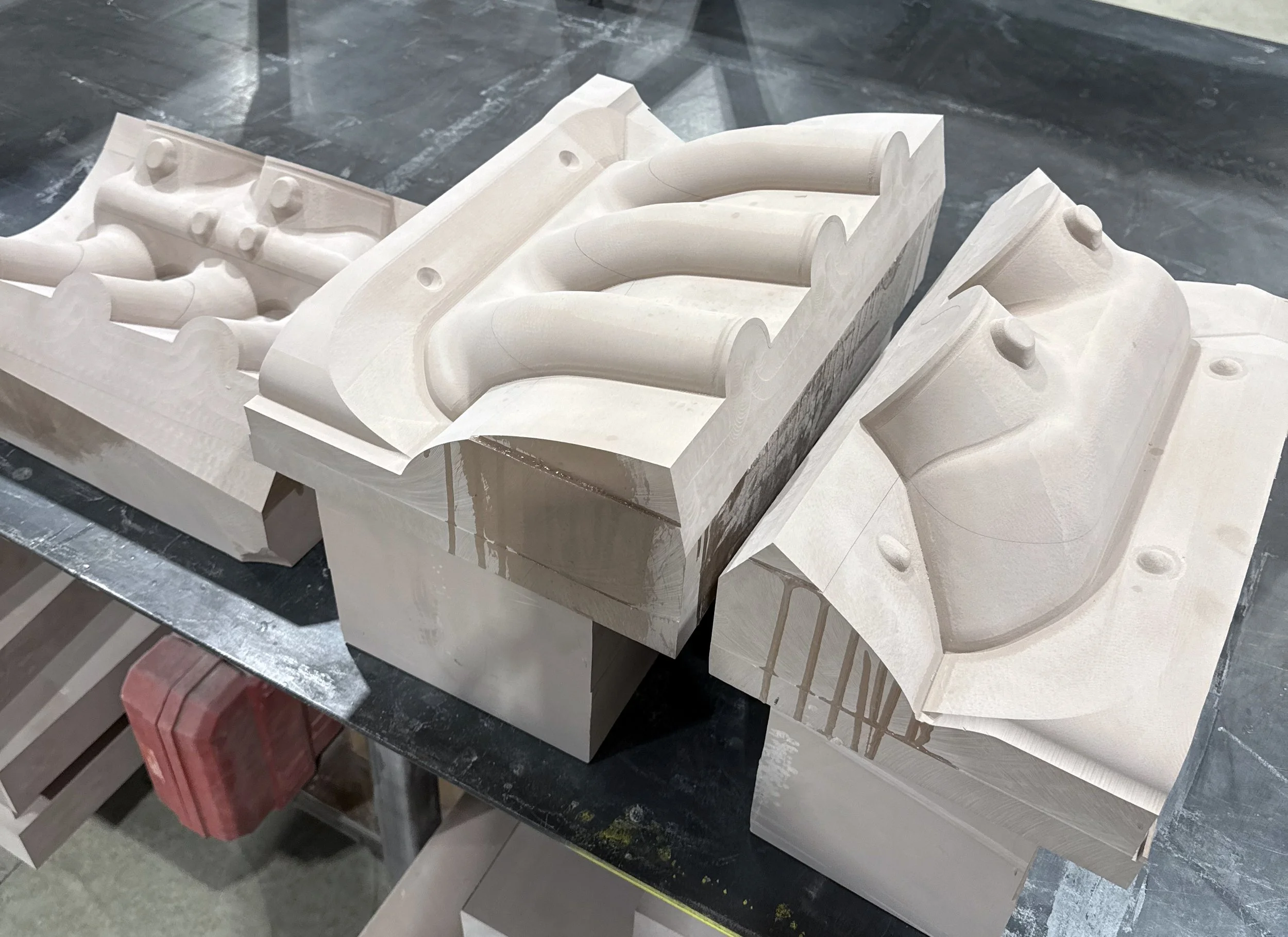
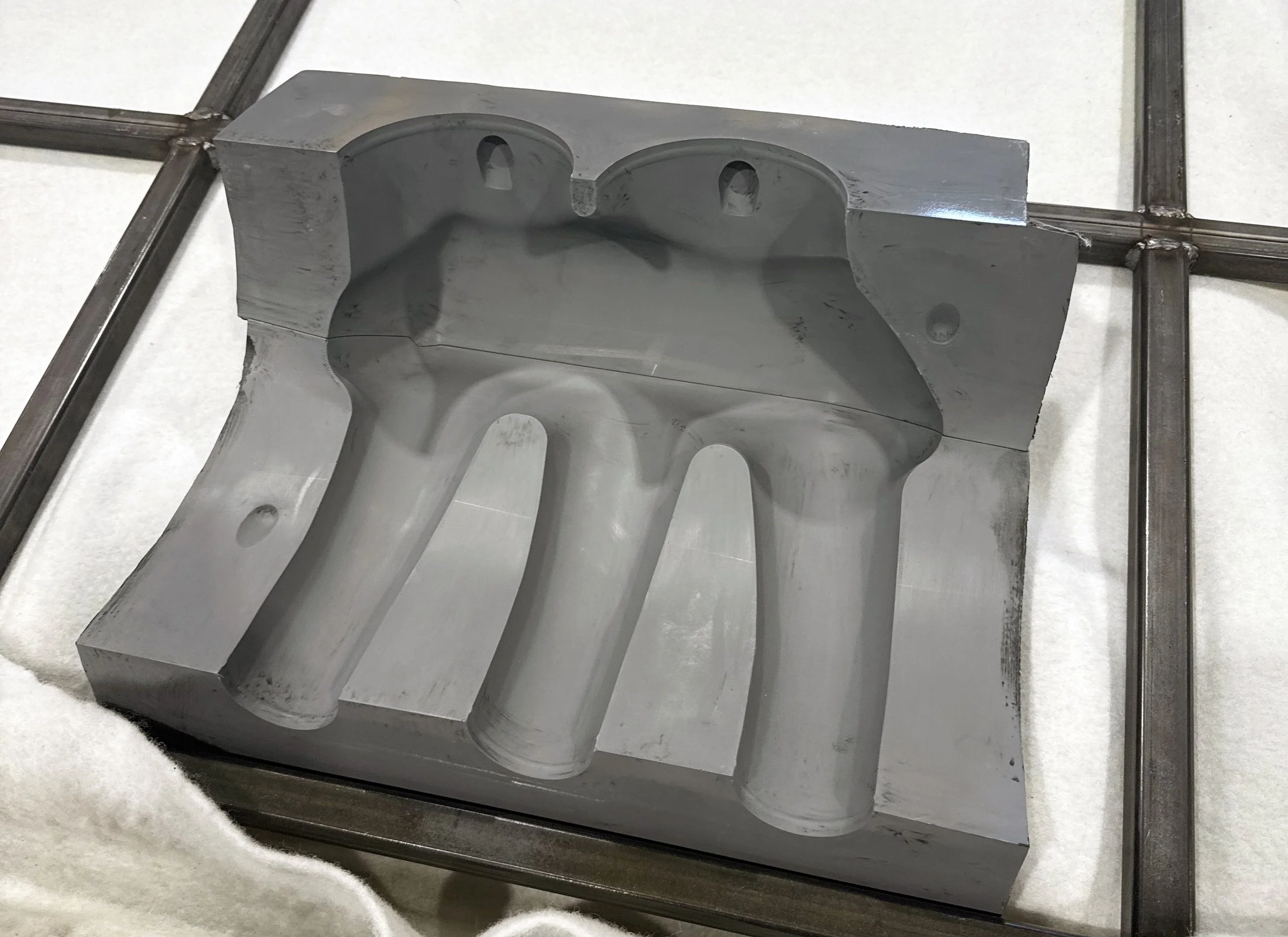
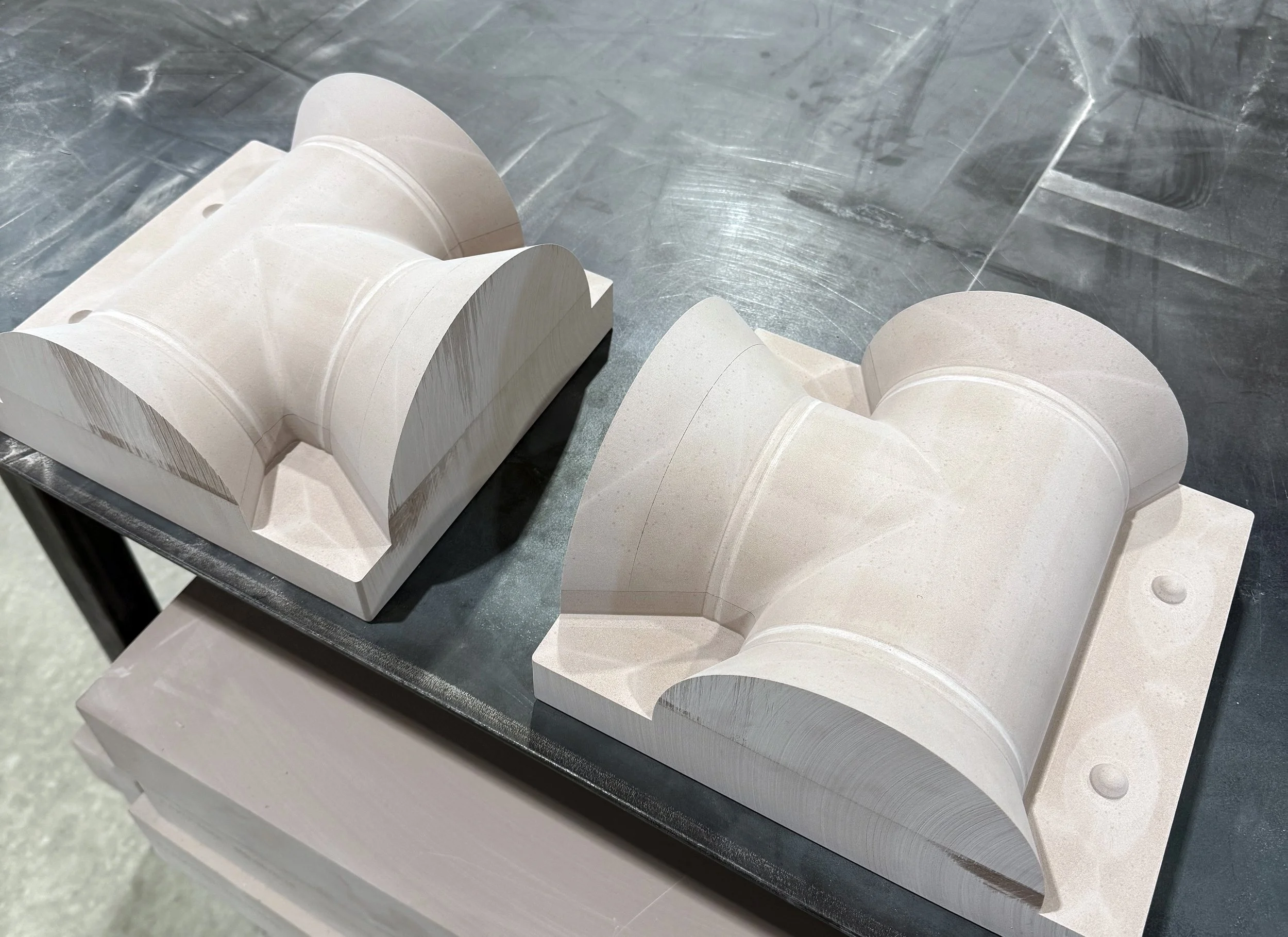
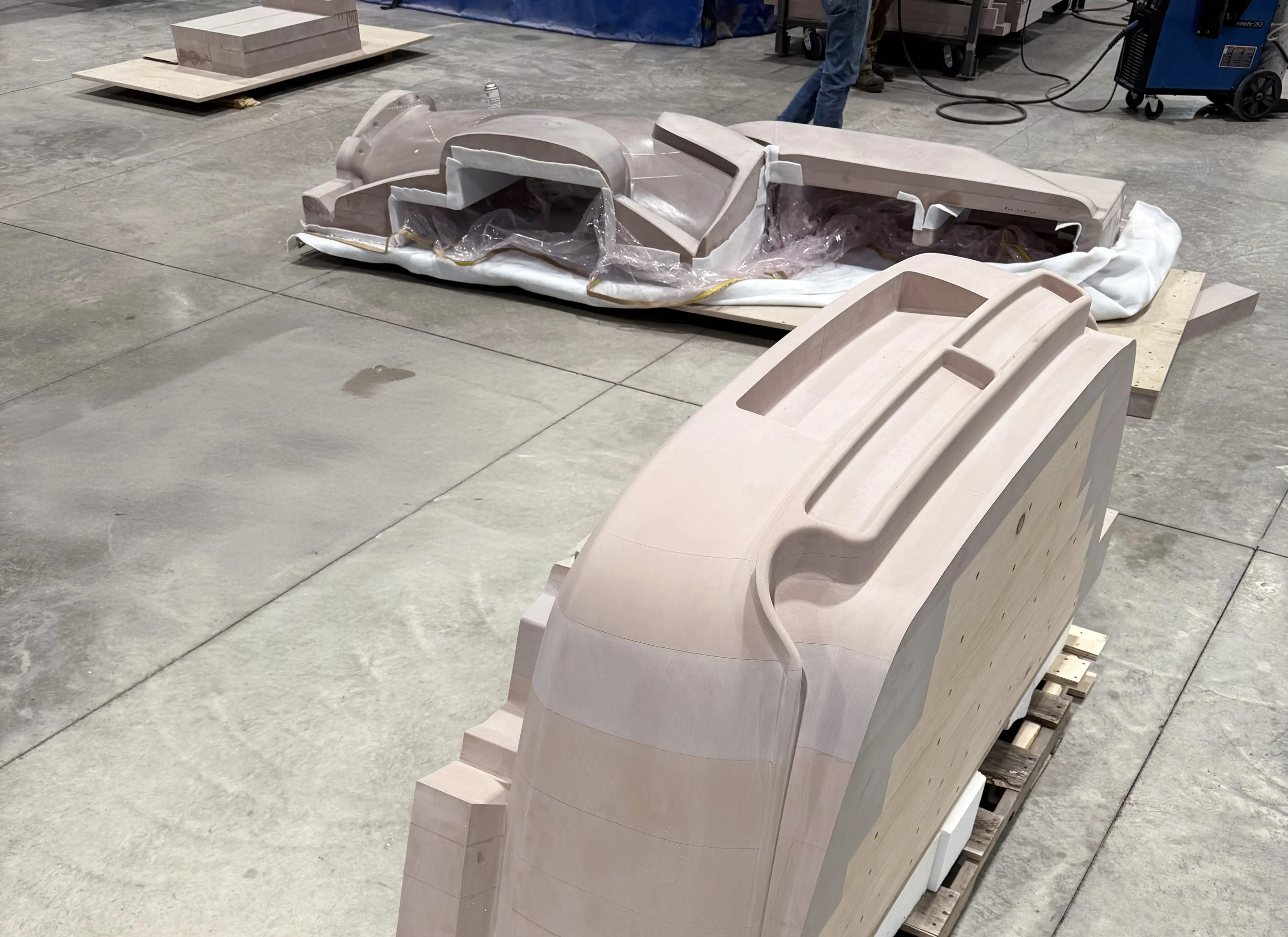
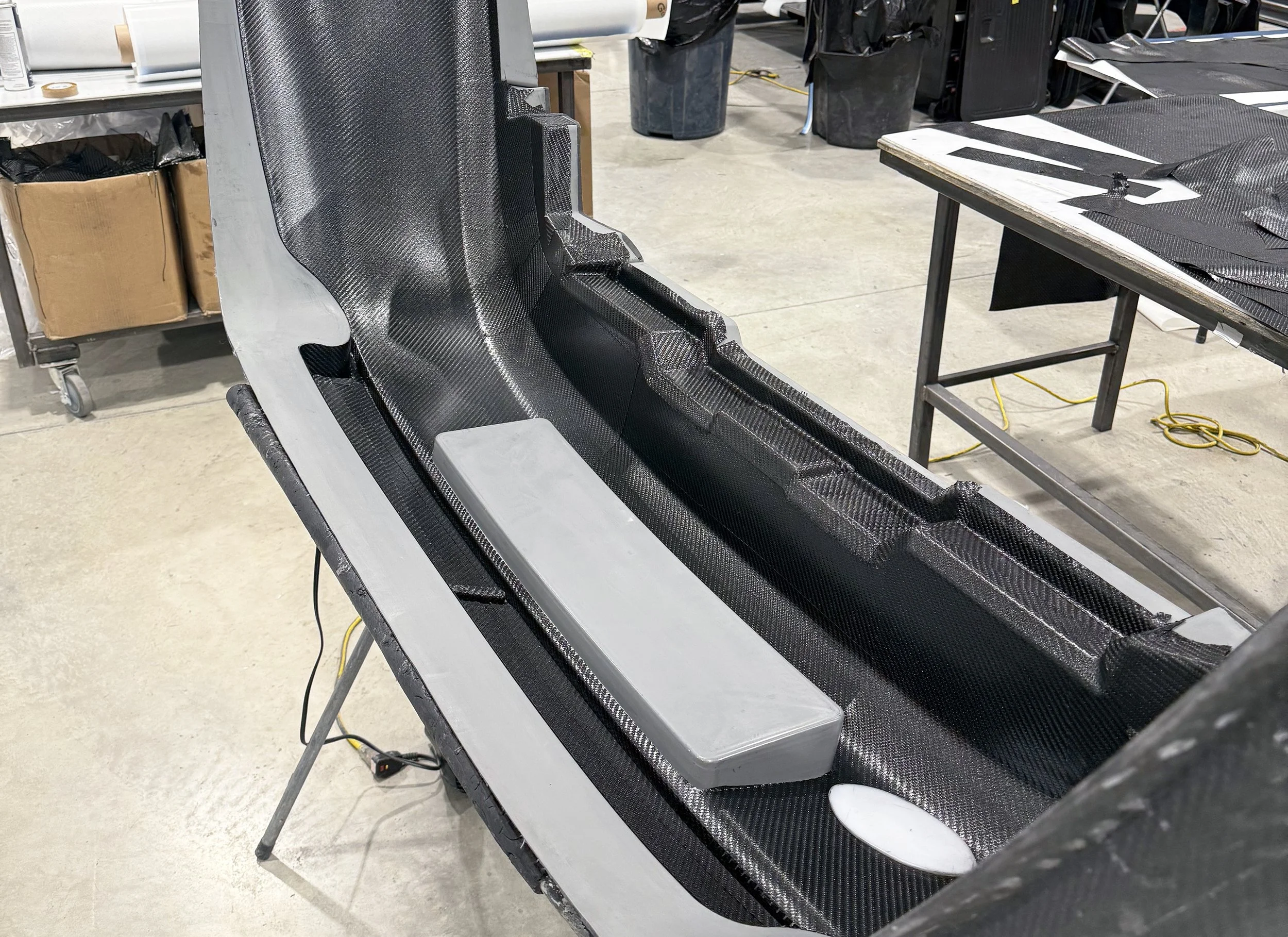
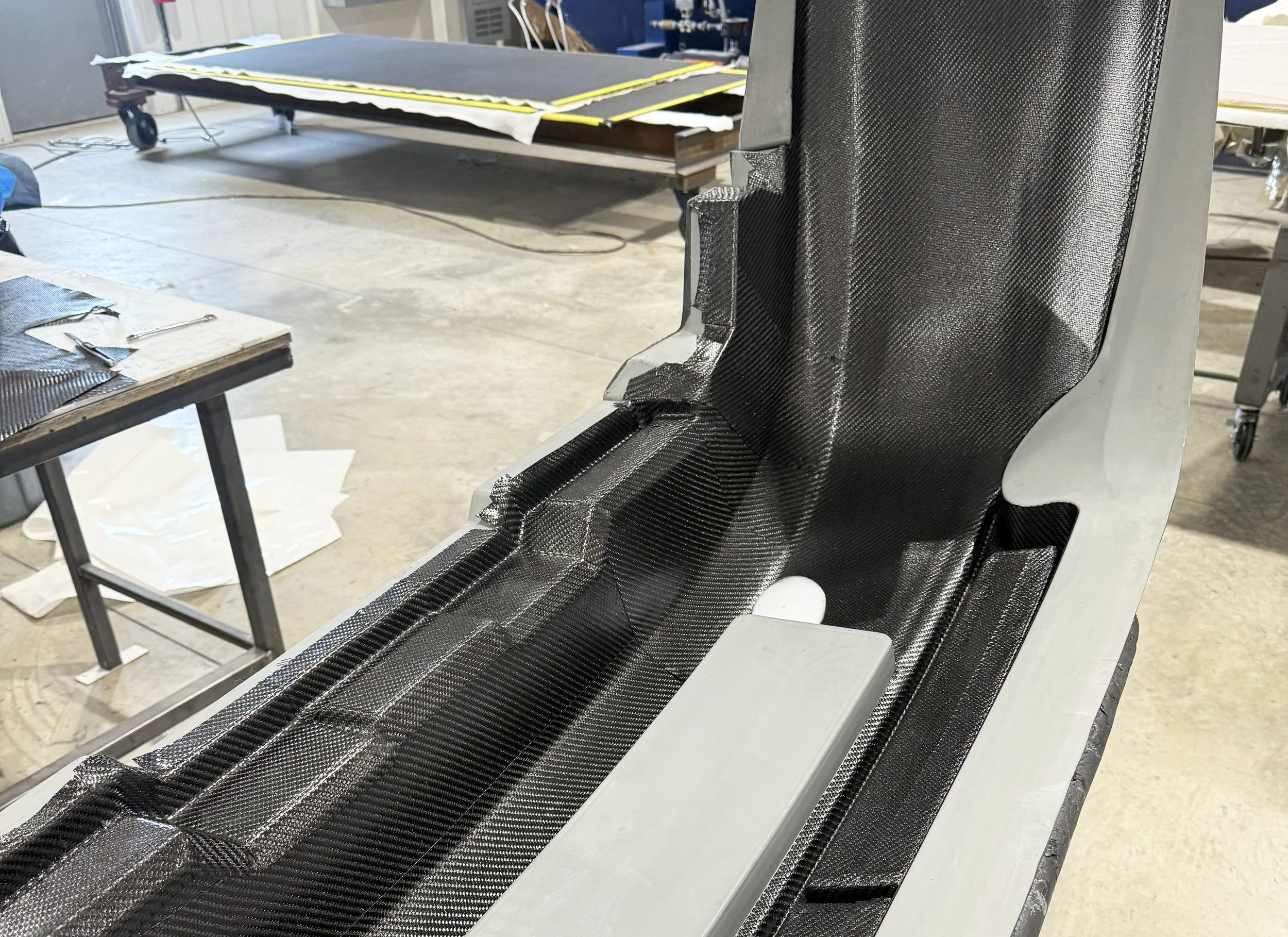
The tooling is different. ZG-ACF molds are CNC-machined from tooling board or metal, reverse-engineered from 3D-scanned original Porsche parts. This ensures OE-tolerance fitment — every part bolts on without shimming, filling, or persuasion. Many aftermarket molds are hand-shaped from existing parts, introducing dimensional drift.
The equipment is different. An autoclave capable of curing automotive panels at 100+ psi and 350°F represents a capital investment in the hundreds of thousands of dollars. It requires trained operators, calibrated instrumentation, and controlled cure cycle programming. A vacuum bag and an oven do not.
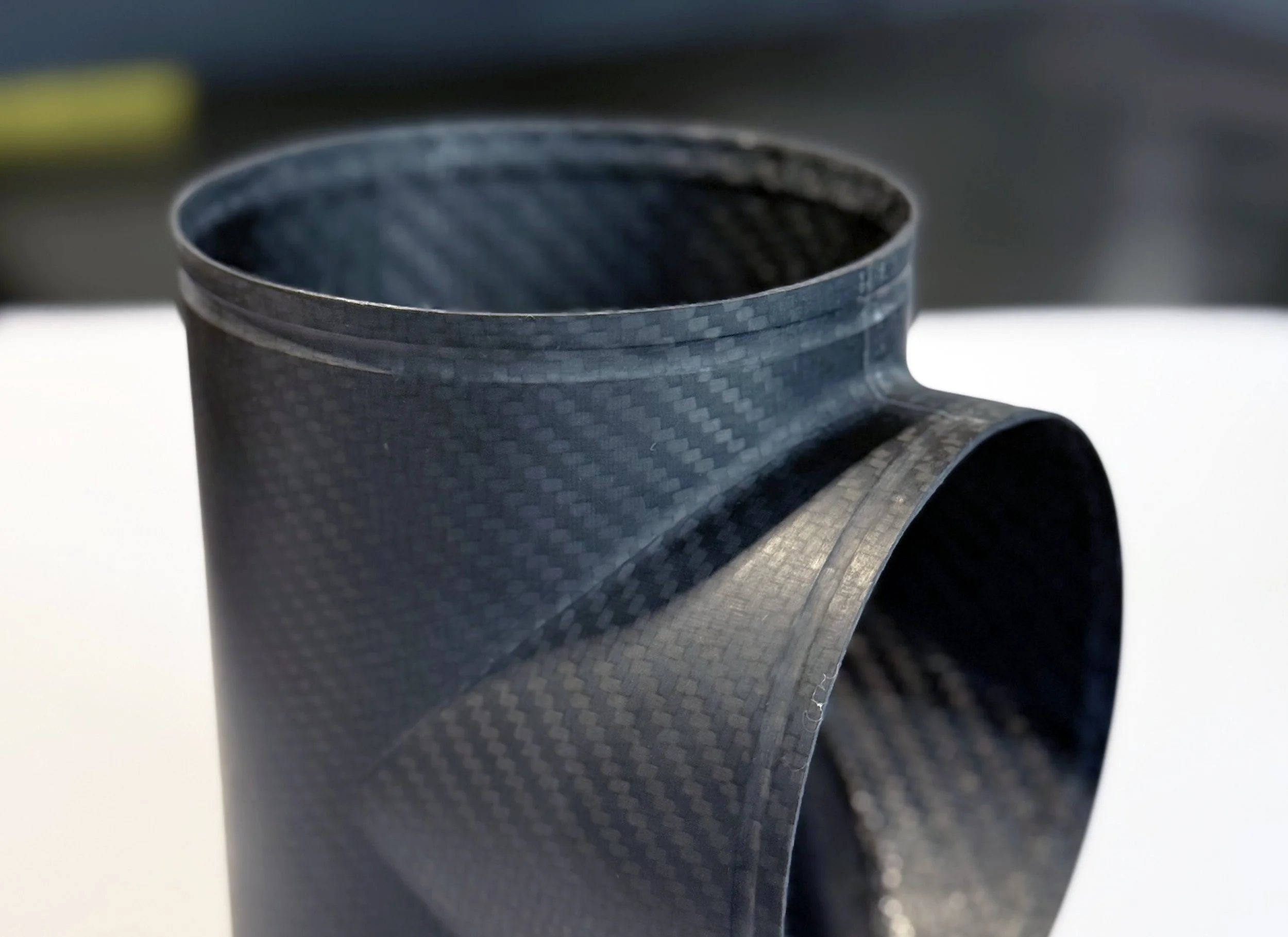
The result is different. A ZG-ACF part is lighter (more fiber, less resin), stronger (fewer voids, better consolidation), more dimensionally stable (won't warp in heat or over time), and fits like the factory part it replaces. A cheap carbon fiber part may look similar, but it cannot match these properties. The weave pattern is cosmetic. The engineering is what matters.
THE PROCESS MATTERS
Fiber volume fraction is the single most important metric in a carbon fiber part. It measures how much of the part is actual load-bearing carbon fiber versus filler resin. At 60–70%, autoclave prepreg delivers the mechanical properties that justify using carbon fiber in the first place. At 40–55%, wet-layup parts are carrying significantly more dead resin weight — they look like carbon fiber, but they don't perform like it.
Void content is the hidden enemy. Voids are microscopic air pockets trapped in the laminate during curing. At 2–5%, they create stress concentrators that reduce interlaminar shear strength by 15–30%. Every 1% increase in void content reduces structural integrity. Autoclave pressure — over 85 psi applied uniformly — physically forces these voids out. Vacuum bag alone can only achieve 14.7 psi at best, leaving voids behind.
This isn't opinion. It's materials science.
Attribute:
Fiber Volume:
ZG-ACF
60-70%
Other
40-55%
Void Content
Applied Pressure:
<1%
10%+
Resin Control:
~100psi
Pre-preg exact
~15psi
Varies by operator
Dimensional Accuracy:
OE tolerances
Requires modification
Thermal Stability:
Deep cure cycle
Low cure temps
Batch Consistency:
Identical part-to-part
Operator dependent
Typical Application:
Aftermarket, cars & coffee
F1. aerospace
the road to make acf parts
Step 1: 3D Scanning
High-resolution scanning of a perfect original Porsche part captures every contour, mounting point, and surface detail to within thousandths of an inch.
Step 2: CAD Modeling & Proofing
The scan data is refined in CAD. Engineers verify dimensions, adjust for material thickness, and prepare the mold geometry.
Step 3: Prototype Verification
A 3D-printed prototype is test-fitted to a real car before any production tooling is committed. This eliminates fitment surprises.
Step 4: CNC Mold Fabrication
Production molds are CNC-machined to exact tolerances — not hand-shaped. This ensures every part from the mold is dimensionally identical.
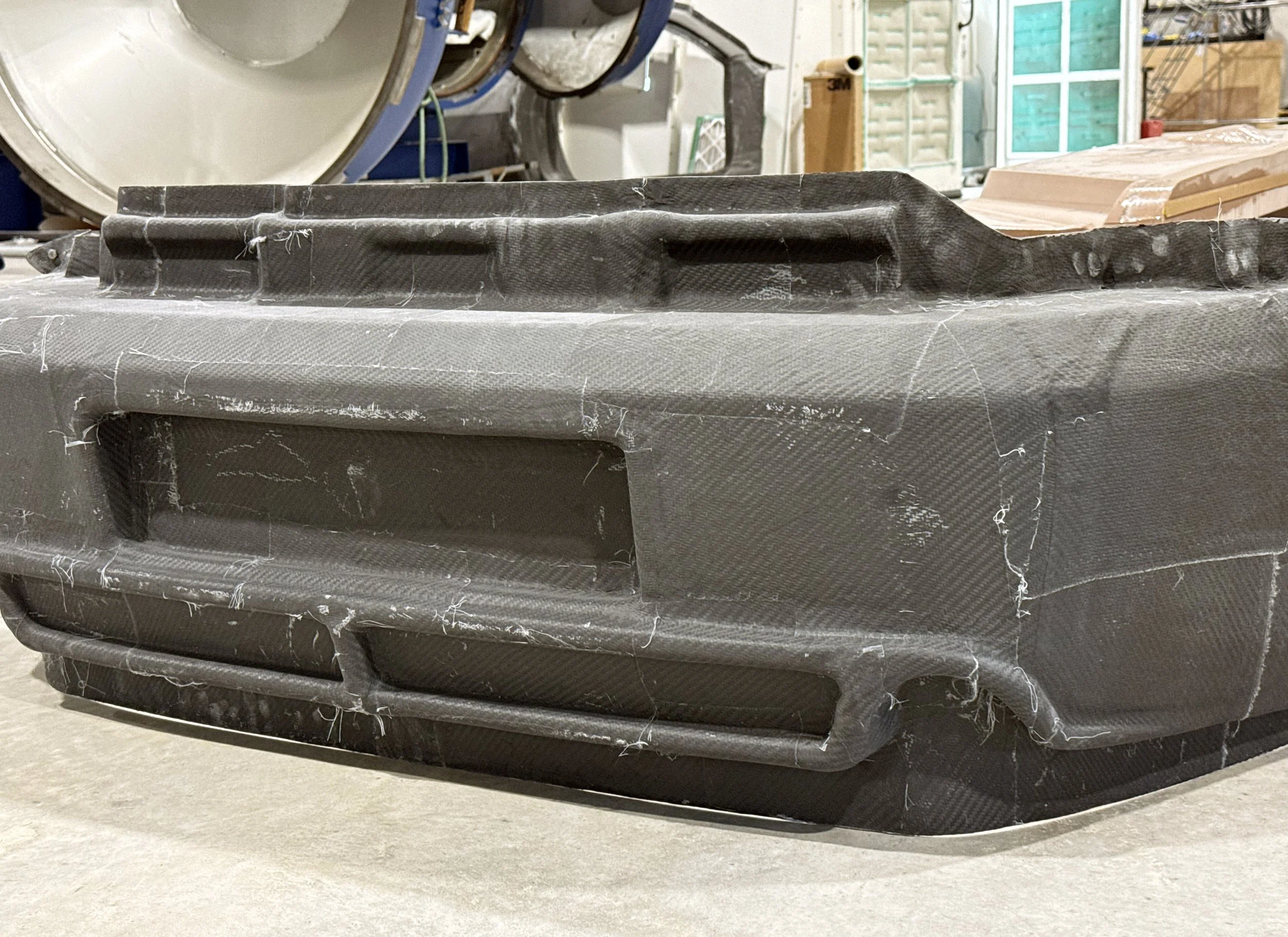
Step 5: Prepreg Layup
Aerospace-grade prepreg carbon fiber is hand-laid into the mold by trained technicians following a precise layup schedule — fiber orientation, ply count, and overlap zones are engineered, not improvised.
Step 6: Autoclave Cure
The mold enters the autoclave for a programmed cure cycle: controlled ramp to cure temperature under 85–100+ psi of consolidation pressure. This forces out voids, fully wets every fiber, and locks in the laminate at maximum density. The resin manufacturer's exact cure schedule is followed — not approximated.
Step 7: Trim, Inspect, Ship
Cured parts are CNC-trimmed, inspected against the original 3D scan data, and prepared for delivery. Every part is traceable to its cure cycle.
WHY IT MATTERS FOR YOUR PORSCHE
Weight savings that are real, not theoretical. Because ZG-ACF parts achieve 60–70% fiber volume fraction with under 1% voids, the weight reduction versus steel is genuine — not offset by excess resin. A ZG-ACF hood saves meaningful pounds where it counts: above the front axle, reducing polar moment of inertia and improving turn-in response.
Fitment that respects the car. Every ZG-ACF part begins as a high-resolution 3D scan of a factory original. The digital file goes through CAD modeling and is verified with 3D-printed prototypes before any production mold is cut. The result: bolt-on installation with factory gap lines. No body filler. No clearance issues. No compromise.
Durability you can trust on the road. Autoclave-cured parts are thermally stable — they won't develop micro-cracks, surface distortion, or delamination from heat cycling on a hot engine lid or sun-baked roof. The near-zero void content means there are no internal weak points to propagate failure. These parts are engineered for cars that get driven, not just shown.
Paint or exposed weave — your choice. ZG-ACF parts are finished to a surface quality that accepts paint seamlessly or displays a flawless exposed carbon weave. The surface quality comes from the process, not from aftermarket corrections. Less finishing work means less weight added back in filler and clear coat.
Find your acf parts in the Zg parts catalog

Anything is possible.
If you have the idea, we have the tools and experience. Let's talk about about how ZG's design and manufacturing services can help fulfill your vision.
ZG-ACF Parts are available as a leading component to an ever-expanding array of enhancements and personalizations for your Porsche offered through the ZURLINDEN Parts Book. And if there's something you don't see, please let us know — we're developing new projects all the time!